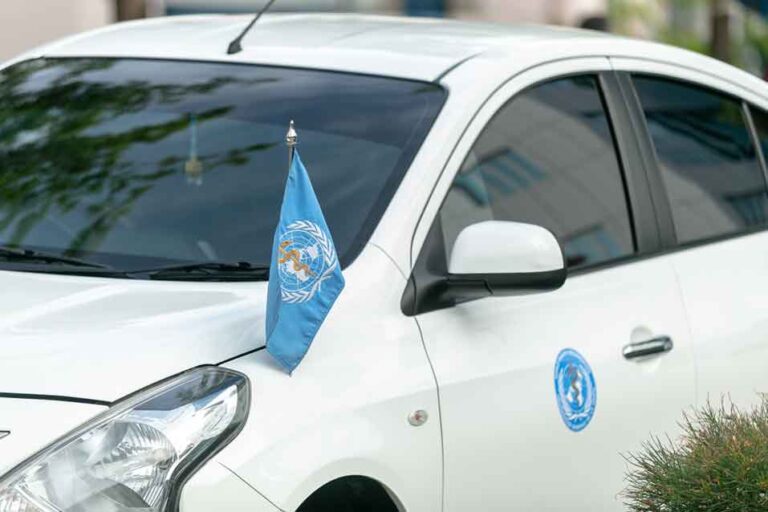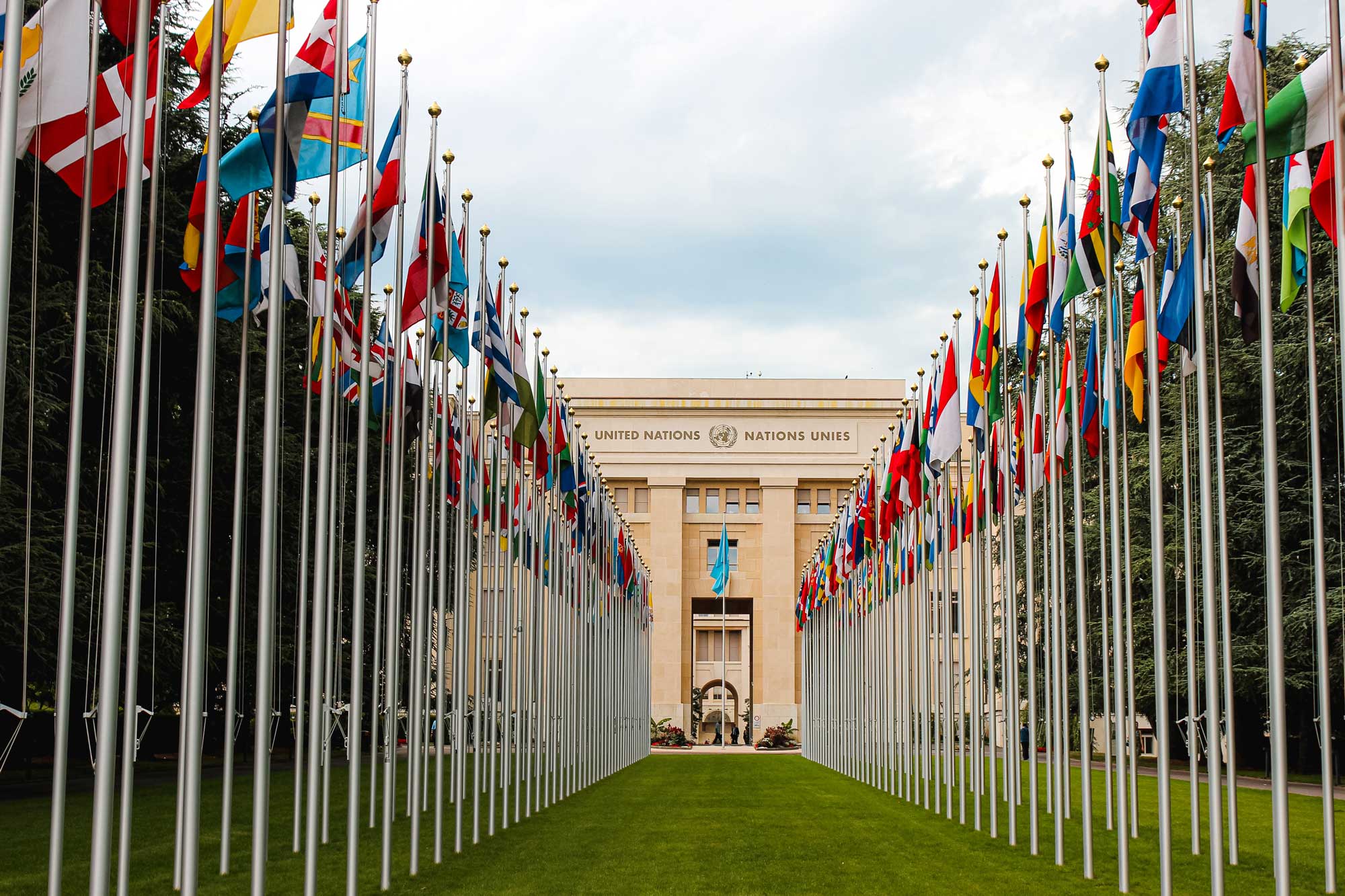

One of the subjects increasingly relevant to the #ExitTheWHO campaign is whether the World Health Organization and the United Nations can impose, influence or recommend sanctions on countries that do not or cannot comply with health-related obligations imposed on member states. The WHO is an agency of the United Nations.
Sanctions are punitive actions used to force a country to obey international laws, or agency directives. There are several types of sanctions that can be imposed including economic, diplomatic, military, sports and environment.
Assisted by Covid-19 and other WHO-declared public health emergencies of international concern, health emergencies have become a multibillion-dollar industry, benefiting Big Pharma via WHO’s recommendations, while increasing the power and funding of the WHO.
Because of developing resistance to its proposed International Health Regulation amendments and its new Pandemic Treaty, the WHO.might seek to collaborate with the United Nations on sanctions.
Does the WHO have the power to impose sanctions? It is not clear. WHO’s last Director-General, Margaret Chan, was reported by Al Jazeera to have said in 2015 that she is:
investigating ways to reprimand countries that disobey International Health Regulations (IHR) — a set of rules adopted in 2005 and mandate that countries set up epidemiological surveillance systems, fund local health care infrastructure and restrict international trade and travel to affected regions deemed unsafe to the public, among other provisions.
Chan is on a panel set up by U.N. Secretary General Ban Ki-moon, who instructed the group to think of ways to hold countries accountable for how they manage public health crises and punish those who violate the IHR.
In 2021, World Health Organization Director-General Tedros Adhanom Ghebreyesus urged countries to consider sanctions. The proposed pandemic treaty should “have all the incentives, or the carrots” to encourage transparency, Tedros said at a press conference in Berlin. He added: “But maybe exploring the sanctions may be important.” (Emphasis by author.)
In March 2023, the UN’s Secretary-General Antonio Guterres issued a Common Agenda policy report and argued that its emergency platform and standing authority should “Ensure that all participating actors make commitments that can contribute meaningfully to the response, and that they are held to account for delivery on those commitments.”
The areas of proposed expanded powers for the UN secretary-general relate to: pandemics; wars and nuclear events; climate or environmental events; degradation or disaster; accidental or deliberate release of biological agents; disruptions in the flow of goods, people, or finance; disruptions in cyberspace or “global digital connectivity;” a cyber-attack on critical infrastructure, a major event in “outer space;” “unforeseen risks” (‘black swan’ events).
While we do not know yet if the WHO or the UN will decide to impose sanctions on countries that do not obey international law or simply disobey these agencies’ directives, it is obvious that sanctions might be imposed in future. This could perhaps be done through the World Trade Organization, another UN agency.
In any event, the WHO and UN may be shifting from being agencies that help member states by issuing recommendations to agencies that assume a governance function toward their member states.
Sources
- http://america.aljazeera.com/articles/2015/10/22/health-sanctions-against-countries-misguided.html
- https://www.politico.eu/article/who-berlin-float-sanctions-if-countries-suppress-information-on-pandemics/
- https://www.un.org/en/common-agenda
- https://www.ncbi.nlm.nih.gov/pmc/articles/PMC5055803/
- https://twitter.com/WHO/status/1316020010540625920?lang=en
- https://www.who.int/about/funding/contributors