Similar Posts
‘De-Growth’ is the latest excuse for central economic planning
Economic measurement tools and methods have for centuries been used as means to embed and reinforce centralist economic authoritarianism. In the case of recent EU and WHO ‘Degrowth’ and GDP proposals, the latest centralising ideologies are…
read this Excellent Analysis by Libby Klein
What decision-making role will the Australian parliament have in relation to the proposed IHR amendments? This is a…
Why developing nations, and others, should defeat the WHO proposals this week
The people who brought us the disastrous national and global response to the outbreak of COVID-19 have been laboring assiduously, by all means possible, to convince the world that they were right about the origins of the pandemic, about what needed to be done to contain it…
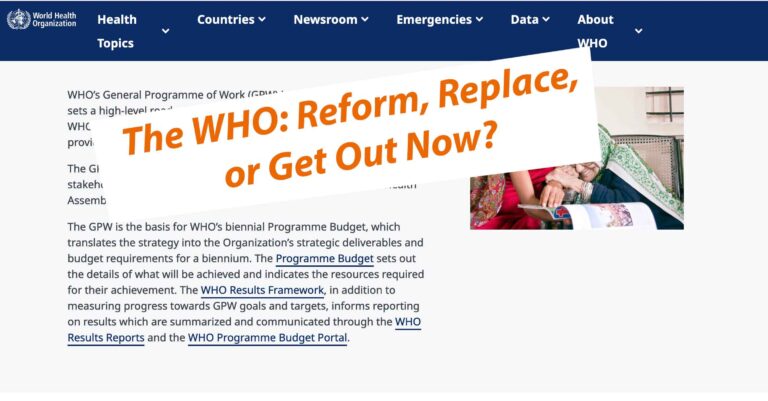
The WHO: Reform, Replace, or Get Out Now?
Action on World Health may be good for the rest of the world, but is a bad idea…
Who Trusts the WHO? Reforming massive agencies may be a task too great.
The WHO (World Health Organization) took center stage during the COVID pandemic as the global coordinator of effective response. Questions about the organization’s proper role – and competence – preceded and now survive the COVID-19 crisis. Was the WHO effective and apolitical in its response, and can it be trusted with its global medical preeminence?
Preserve National Sovereignty. Choose Freedom. Join The Great Freeset!
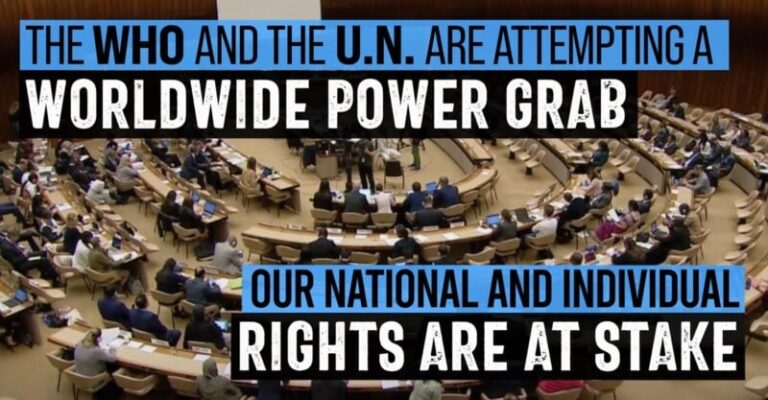
The WHO is currently amending its 2005 International Health Regulations (IHR), which “provide an overarching legal framework that defines countries’ rights and obligations in handling public health events and emergencies that have the potential to cross borders.” If adopted, these amendments would change…