Similar Posts
Reforming the WHO isn’t possible; it’s doing what it was meant to do
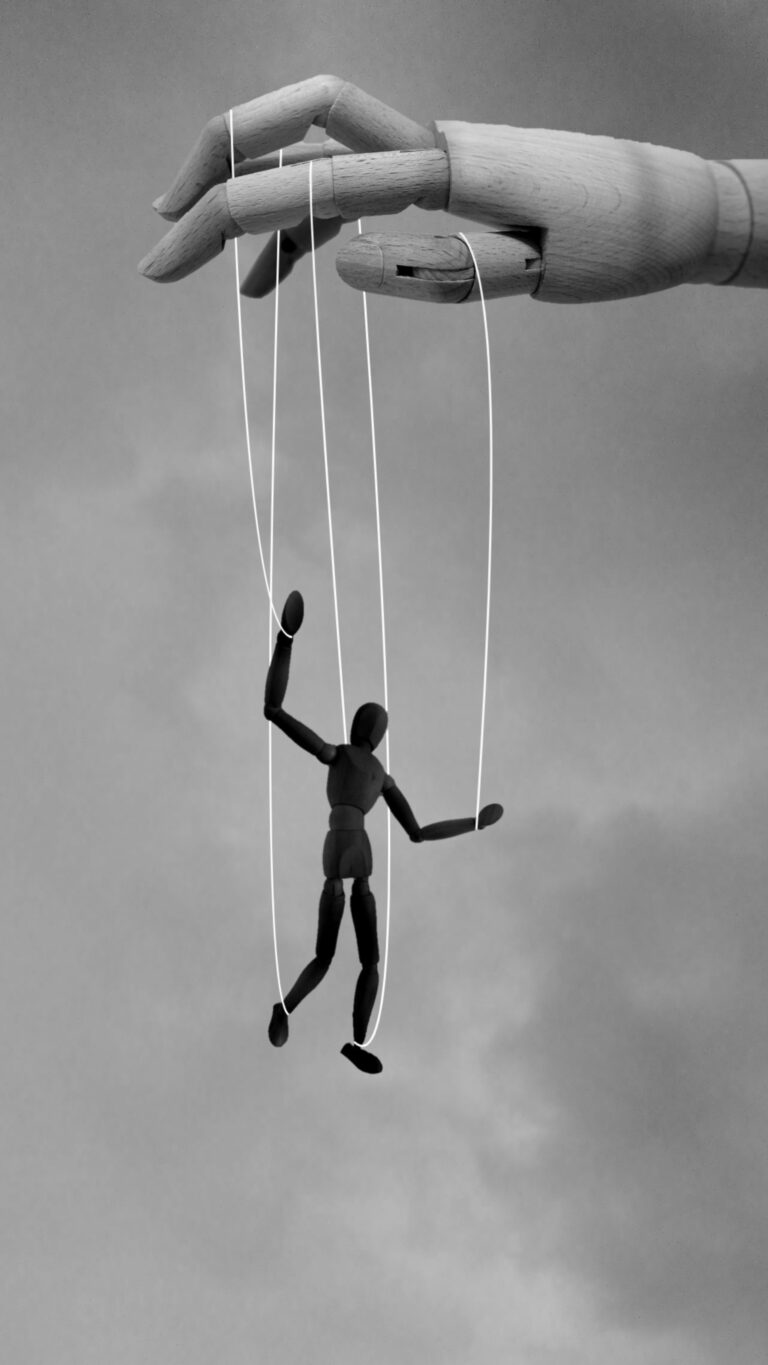
The image above is not about the World Health Organization’s (WHO) mishandling of the coronavirus. It’s from an article published in 2015, after the WHO botched their response to the Ebola outbreak in West Africa. You can see how far we’ve come since then. “Reform” of the WHO has a formula:
Fighting Roundup: Monsanto’s Bold Bid To End Pesticide Litigation
Michael Baum Michael Baum shares the pivotal legal victories in the battle against Monsanto over the dangers of…
Gain-Of-Function Research + the Rise of the Biosecurity Era
In Part 2 of Robert F. Kennedy Jr.’s new book, ‘The Wuhan Cover-Up,’ readers learn about gain-of-function research…
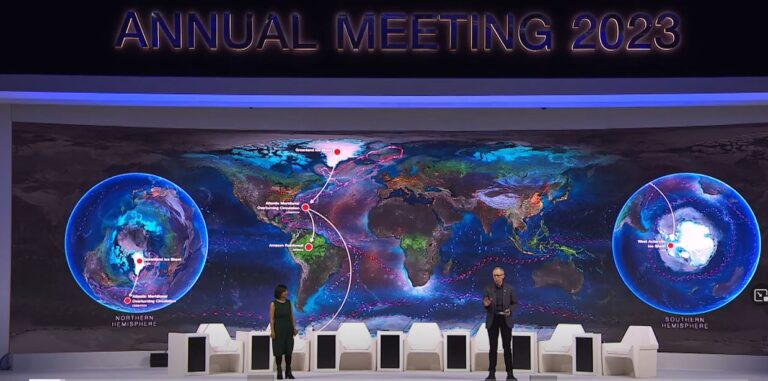
Climate Revival Meeting in Davos
The theme of the World Economic Forum’s annual meeting in Davos 2023 was “Cooperation in a Fragmented World”. In many ways, this year appears as an in-between-year, even though certain central components of the continuing agenda were introduced…
Can the W.H.O. and the United Nations impose sanctions on your country?
One of the subjects increasingly relevant to the #ExitTheWHO campaign is whether the World Health Organization and the United Nations can impose, influence or recommend sanctions on countries that do not or cannot comply with health-related obligations imposed on…
Who Trusts the WHO? Reforming massive agencies may be a task too great.
The WHO (World Health Organization) took center stage during the COVID pandemic as the global coordinator of effective response. Questions about the organization’s proper role – and competence – preceded and now survive the COVID-19 crisis. Was the WHO effective and apolitical in its response, and can it be trusted with its global medical preeminence?