Bill to follow and support:
Tennessee Senate Bill 1761 (SB 1761)
SB 1761 was introduced in the 2024 Tennessee legislative session and was has been referred to summer study by the Senate Subcommittee on State and Local Government. The bill protects the right of Tennessee residents to grow and raise their own food providing:
… a county shall not adopt or enforce a regulation that prohibits any of the following activities on a single-family residential lot:
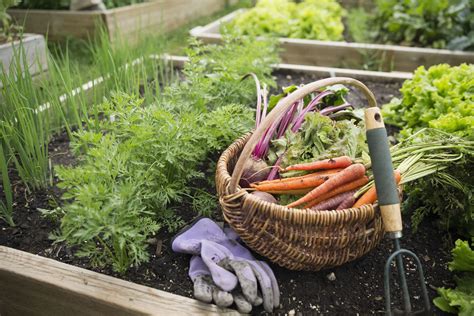
(1) The growing of fruits and vegetables; or
(2) The raising or keeping of:
(A) Six (6) or fewer chickens; or
(B) Six (6) or fewer rabbits.
For growing fruits and vegetables, counties and municipalities still have the power to impose reasonable regulations on that activity, including requiring that the growing area be maintained in good condition if visible from the street faced by the lot or an adjoining lot; and requiring the trimming or removal of a tree as necessary for the maintenance of a utility easement.
The county or municipality may also impose reasonable regulations under the bill on the growing and raising of chickens and rabbits to control odor, noise, safety, or sanitary conditions, including allowing more chickens and rabbits than the minimum number specified by SB 1761, prohibiting the keeping of a rooster, and requirements on fencing or shelter.
With the accelerating decline of food for sale in the conventional food system, it’s becoming increasingly important to protect the right of individuals to grow their own food. Zoning regulations can be a big impediment to growing and consuming an individual’s foods of choice. Texas had a similar bill, House Bill 1686, in the 2021 session that would have not only prohibited not only counties and municipalities from banning the growing of food on a single-family residential lot but Home Owners Associations as well. The optimal system in terms of self-sufficiency, and food security would be to have people growing and raising their own food not be subject to zoning laws, only to laws on public and private nuisance or other laws protecting their neighbors’ enjoyment of their own property.
——
Tenn. SB 1761 – https://wapp.capitol.tn.gov/apps/Billinfo/default.aspx? BillNumber=SB1761&ga=113
Texas HB 1686 – https://capitol.texas.gov/BillLookup/History.aspx?LegSess=87R&Bill=HB1686