
| | |

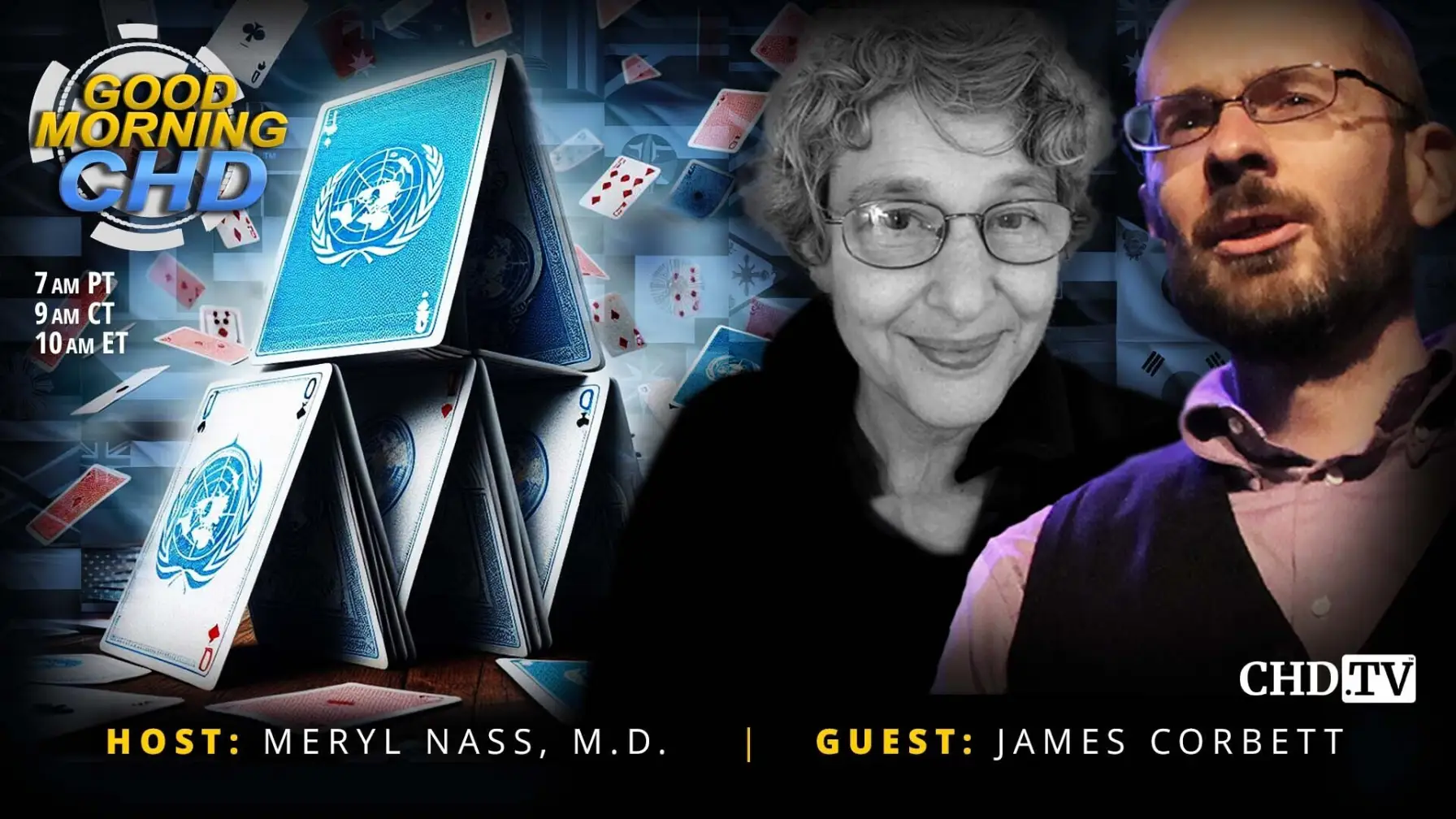
Is the WHO’s House of Cards Collapsing?

Share this article

Dr. Meryl Nass returns from 27 days of international advocacy to catch up with James Corbett on evidence the WHO’s house of cards is collapsing worldwide. It’s no wonder that countries like Slovakia, Estonia, Romania, New Zealand, South Africa + more are rejecting the IHR amendments amid the WHO’s December deadline, “It’s the perfect system of control .. This story is so horrendous, all it needs is a few sparks in the right place, and the fire will come.” After all — would YOU give a blank check to an organization with no accountability?


Similar Posts

  • Why Are Intelligent People So Easily Tricked?

    Share this article

    ‘As a rule, I have found that the greater brain a man has, and the better educated, the easier it has been to mystify him.’ So said master illusionist Harry Houdini. He said it during his spat with Sherlock Holmes’ creator Sir Arthur Conan Doyle over the latter’s belief in seances and fairies. Despite being a literary genius, Conan Doyle nevertheless had some foolish ideas…

  • Introduction: “Our Common Agenda” – Multilateralism With Teeth

    Share this article

    In September 2021, the UN Secretary-General António Guterres released the report Our Common Agenda.[1] The former Swedish Prime Minister Stefan Löfvén leads the UN panel that will provide proposals on how this agenda should be implemented. It is clear that the report comes as a direct response…

  • TWN: Opposition to One Health Instrument

    Share this article

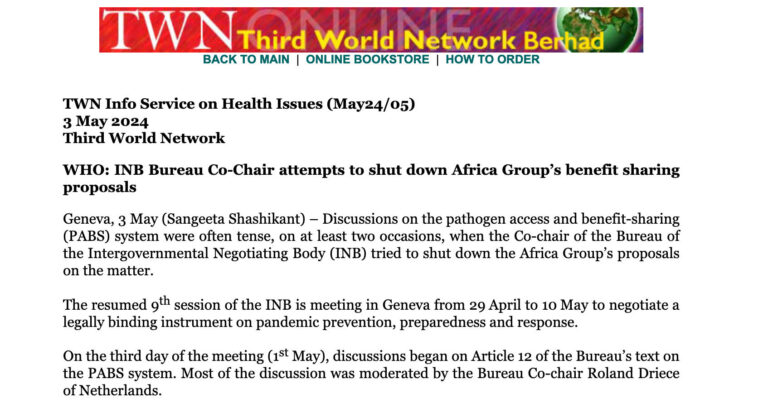
    Share this article Third World Network (TWN) is present in the Pandemic Treaty Negotiations. Read their fascinating report….

  • Who Trusts the WHO? Reforming massive agencies may be a task too great.

    Share this article

    The WHO (World Health Organization) took center stage during the COVID pandemic as the global coordinator of effective response. Questions about the organization’s proper role – and competence – preceded and now survive the COVID-19 crisis. Was the WHO effective and apolitical in its response, and can it be trusted with its global medical preeminence?