

Finally!! Truth about the bogus Biosecurity Agenda in the mainstream press. Tremendously important.
This article is a repost. It was originally published in The Wall Street Journal


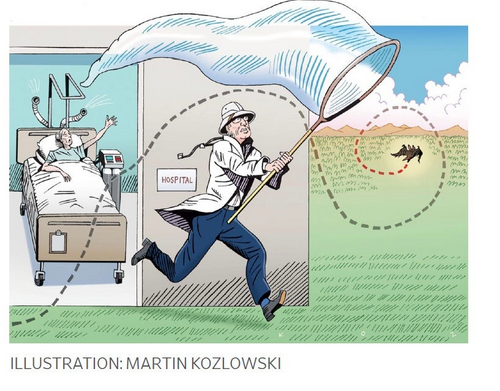
This article is a repost. It was originally published in The Wall Street Journal

Founder, Door to Freedom
Dr. Nass is a physician and researcher who proved the world's largest anthrax epidemic was due to biological warfare. She revealed the dangers of the anthrax vaccine. Her license was suspended for prescribing COVID medications and 'misinformation.'
Disentangling COVID disinformation since 2020:
https://merylnass.substack.com/
Read More
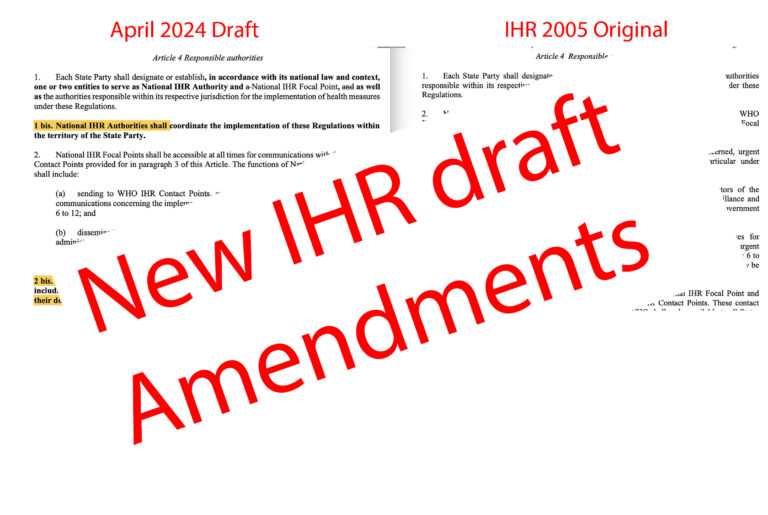
The 300+ amendments proposed last year have been whittled down to something readable, yet still problematic. The 8th…
The environmental impacts of cattle emissions have been a contentious conversation in recent years. Some climate conscious consumers are concerned with cattle emission’s potential and impact. Researchers at the University of Nebraska–Lincoln are discovering results that may improve and optimize our management practices and ease those concerns.
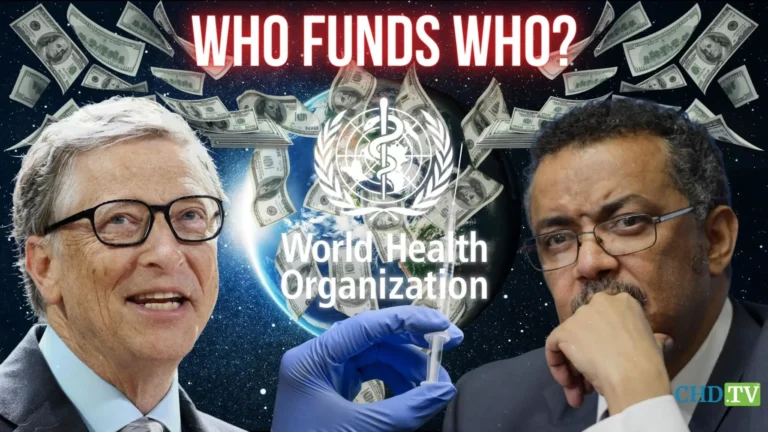
“Voluntary contributions, specified and thematic, make up about 80% of the budget,” denoted former WHO medical officer and scientist Dr. @bell00david.
“And this is important because specified contributions are contributions that are provided for a specific project in a specific place. They are very directive,” he explained.
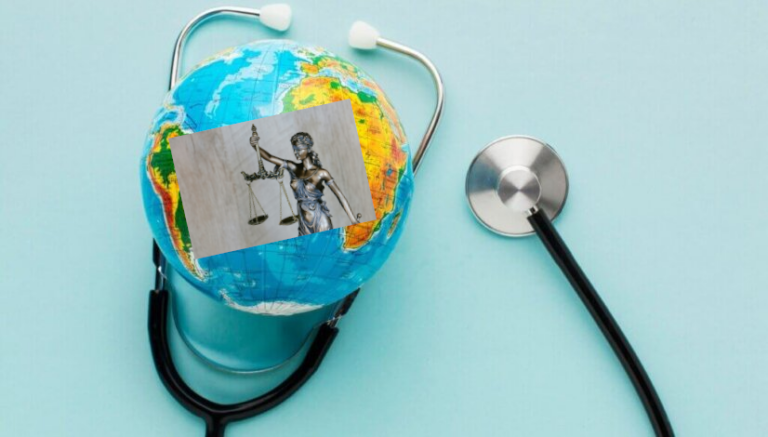
Article from a legal firm giving an opinion on the WHO proposed Pandemic Treaty and IHR amendments from…

Attention parents, family members, and concerned citizens! Children’s health is getting worse. And it has been doing so for decades. While the COVID-19 pandemic brought about widespread changes to our daily lives, forcing us to reexamine our lives and values in the wake of the crisis, it also brought…
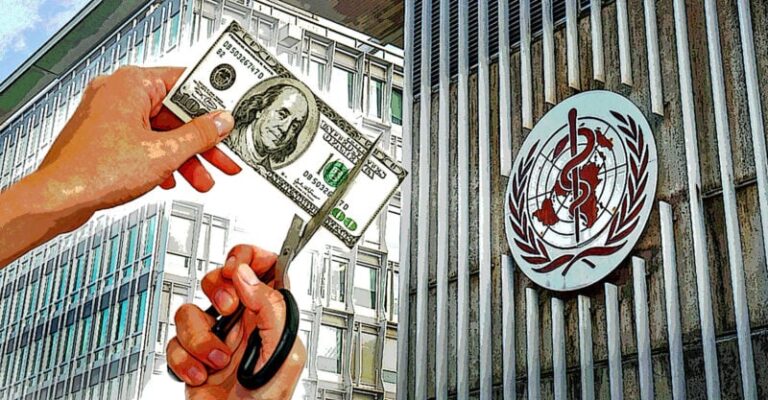
The House approved H.R. 4665, the Fiscal Year 2024 Department of State, Foreign Operations, and Related Programs Appropriations Act, including the provision that, “None of the funds appropriated or otherwise made available by this Act may be made available for the World Health Organization.”…