AGs write a letter to President Biden detailing why.
Hat tip to the Daily Caller for posting this first.
Between the letter from the 49 Senators last week and the letter from the heads of legal opinion in 22 states this week, it’s starting to look like we’re getting some traction!
Key reasons provided by the 22 AGs:
First Reason:
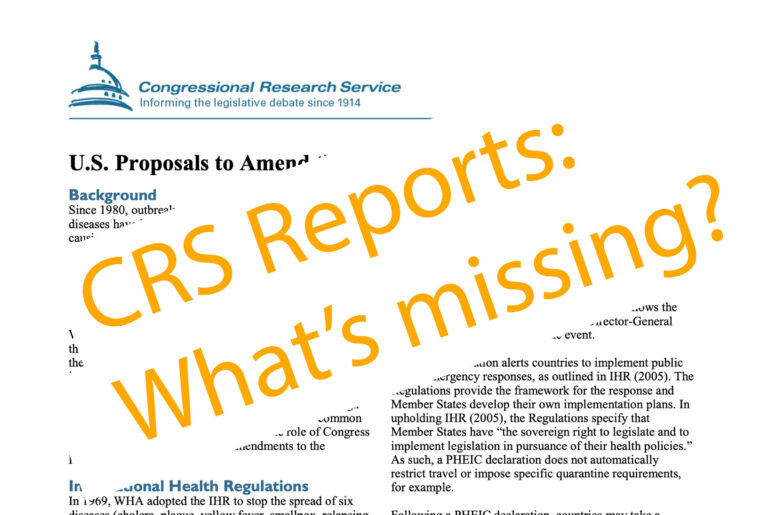
“Under proposed IHR amendments and the Pandemic Treaty, however, the WHO’s Director-General would achieve the power to unilaterally declare a “public health emergency of international concern” (PHEIC) in one or more member nations. Such declarations can include perceived or potential emergencies other than pandemics, including climate change, immigration, gun violence, or even “emergencies” involving plants, animals, or ecosystems.”
Second Reason:
“The federal government cannot delegate public health decisions to an international body. The U.S. Constitution doesn’t vest responsibility for public health policy with the federal government. It reserves those powers for the States. Even if the federal government had such power, Article II, Section 2 requires approval by the United States Senate.”
Third Reason:
“The proposed IHR amendments and the Pandemic Treaty would lay the groundwork for a global surveillance infrastructure, ostensibly in the interest of public health, but with the inherent opportunity for control (as with Communist China’s “social credit system”).”