

Powerpoint presentation by Dr. Silvia Behrendt and attorney Philipp Kruse
June 1st, 2022 to EU Members of Parliament


Powerpoint presentation by Dr. Silvia Behrendt and attorney Philipp Kruse
June 1st, 2022 to EU Members of Parliament
The people who brought us the disastrous national and global response to the outbreak of COVID-19 have been laboring assiduously, by all means possible, to convince the world that they were right about the origins of the pandemic, about what needed to be done to contain it…
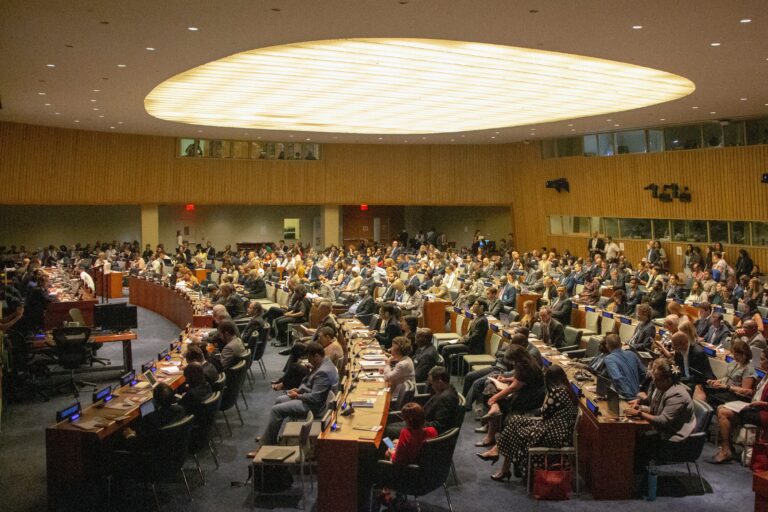
“After hearing the deliberations, noting that both the Working Group International Health Regulations (WGIHR) and the International Negotiating Body (INB) are authorized to deliver the final legal formulation..

The World Health Organization (W.H.O.) is an agency formed under the auspices of the United Nations (U.N.) in 1948, shortly after the U.N. itself was formed following World War 2. It is considered a specialized agency of the U.N. Unlike other specialized U.N. agencies, the W.H.O. has its own constitution, and can make treaties. The W.H.O. is composed of…

In this interview board-certified internist and biological warfare epidemiologist Dr. Meryl Nass discusses the dangers posed by the World Health Organization’s upcoming pandemic treaty and the International Health Regulation (IHR) amendments. She also wrote about this in a recent article titled “The WHO’s Proposed Treaty Will Increase Manmade Pandemics.”…
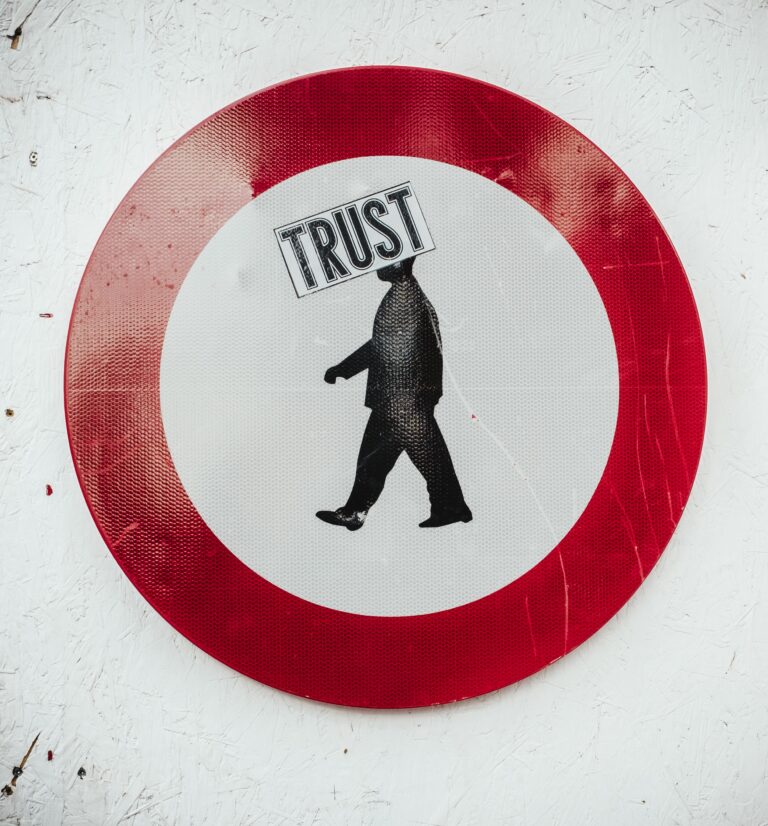
The WHO (World Health Organization) took center stage during the COVID pandemic as the global coordinator of effective response. Questions about the organization’s proper role – and competence – preceded and now survive the COVID-19 crisis. Was the WHO effective and apolitical in its response, and can it be trusted with its global medical preeminence?

YouTube on Tuesday announced updates to its medical misinformation policy, tightening restrictions on what it described as “harmful” claims about COVID-19, vaccines and cancer treatments, but critics said the tech giant lacks the expertise to make these judgments and its plans to restrict such content could…
