
‘Gain of Function’ (GOF) research uses benign-sounding terminology to confuse people who are unfamiliar with the subject. It used to be called ‘biodefense,’ ‘biological warfare’ and ‘germ warfare’ research in past decades.
The term refers to making existing microorganisms (viruses, fungi and bacteria) more dangerous, by giving them one or more new functions.
Those added functions might be:
- the ability to spread more efficiently from person to person (increased infectivity or contagiousness)
- The ability to spread by aerosol transmission when the microorganism was unable to spread that way previously
- the ability to be more virulent or deadly
Some people think this type of research was banned by an international treaty (The Biological Weapons Convention of 1972) but as long as the research is said to be done for defensive purposes, and the quantities of microorganisms produced are small, it is not banned.
In 2014 over 200 scientists called for a halt to gain of function research.[1] The federal government did halt gain of function research, but only for avian influenza and SARS-like viruses, and it left loopholes. The ban only applied to federally funded research. It did not apply to other families of viruses. Waivers could be issued by NIH.
In 2017 the ban was removed, but GOF research was supposed to be vetted by an NIH “Potential Pandemic Pathogens” committee. However, the committee was never asked to review SARS-like research, which simply continued. In 2022, scientists again called for better guidance on gain of function research [2] and restrictions may be coming [3] in the future.
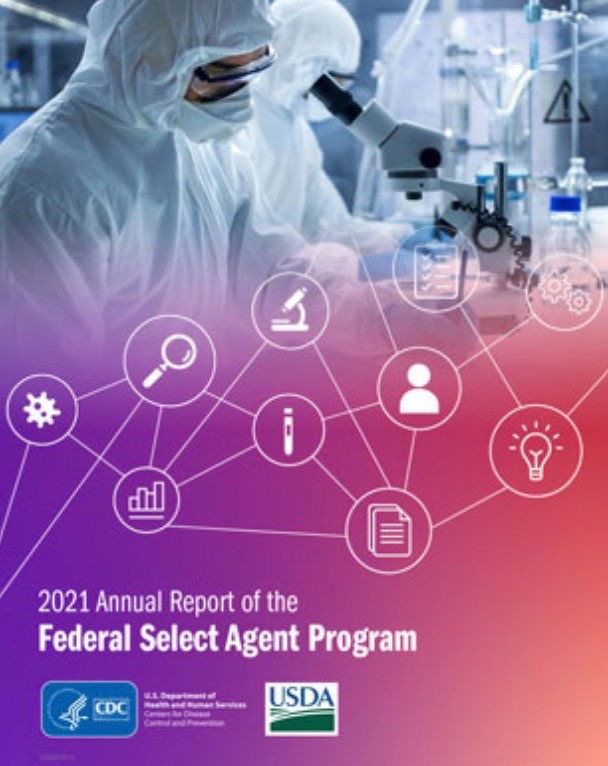
The Lancet Infectious Diseases journal wrote, “Statistics on the number of breaches in the 1500 or so high containment laboratories in the USA are hard to come by.” [4] However, the CDC and USDA issue yearly reports [5] on the accidents in labs that do research on potential pandemic pathogens. There are about 200 such accidents yearly in the United States that get reported to the program.
The CDC and USDA jointly manage the “Federal Select Agent Program” (FSAP) that keeps track of research on microorganisms that might cause pandemics in humans, livestock or food crops. In 2021, the FSAP program reported 22 matters to the FBI for investigation involving loss of material, loss of a mouse and the presence of ‘select agents’ outside their registered location. In 2021, the select agent program received 185 reports of losses or releases.[6]
[1] https://www.cambridgeworkinggroup.org/
[2] https://www.nature.com/articles/d41586-022-01209-w
[3] https://www.nature.com/articles/d41586-023-00257-0
[4] https://www.thelancet.com/journals/laninf/article/PIIS1473-3099%2818%2930006-9/fulltext
[5] https://www.selectagents.gov/resources/publications/docs/FSAP_Annual_Report_2021_508.pdf
[6] https://www.selectagents.gov/resources/publications/docs/FSAP_Annual_Report_2021_508.pdf