
|

Catherine Austin Fitts Discusses CBDCs on New Zealand’s Reality Check Radio

Share this article

This article is a repost. It was published by The Solari Report.

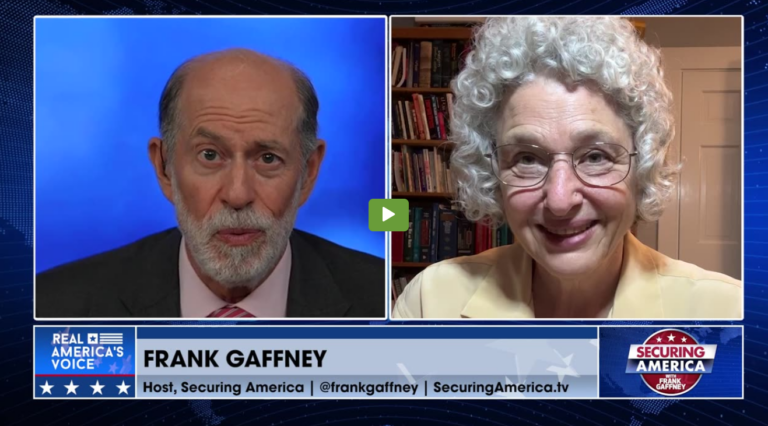
In this installment of the Reality Check Radio series, “Our Digital Future,” Alistair Harding speaks to Catherine about the unified ledger, programmability, and the possibility of central bank control over how we spend our money.

This interview provides a good summary of the current issues surrounding CBDCs. As Catherine notes, there is a world of difference between the “fluffy” language bankers use to market CBDCs and the actual intent—a total control system that amounts to slavery.

Listen here.

Related:

Reality Check Radio: Our Digital Future

Similar Posts

  • What is the W.H.O.?

    Share this article

    The World Health Organization (W.H.O.) is an agency formed under the auspices of the United Nations (U.N.) in 1948, shortly after the U.N. itself was formed following World War 2. It is considered a specialized agency of the U.N. Unlike other specialized U.N. agencies, the W.H.O. has its own constitution, and can make treaties. The W.H.O. is composed of…

  • The Global Rejection of CBDCs

    Share this article

    The Biden administration and the Federal Reserve are taking steps toward the potential roll-out of a central bank digital currency (CBDC). In attempting to do so, they are ignoring serious concerns about consumer privacy and heavy-handed government control in the U.S. and abroad. Everywhere around the world, powerful heads of central banks and…

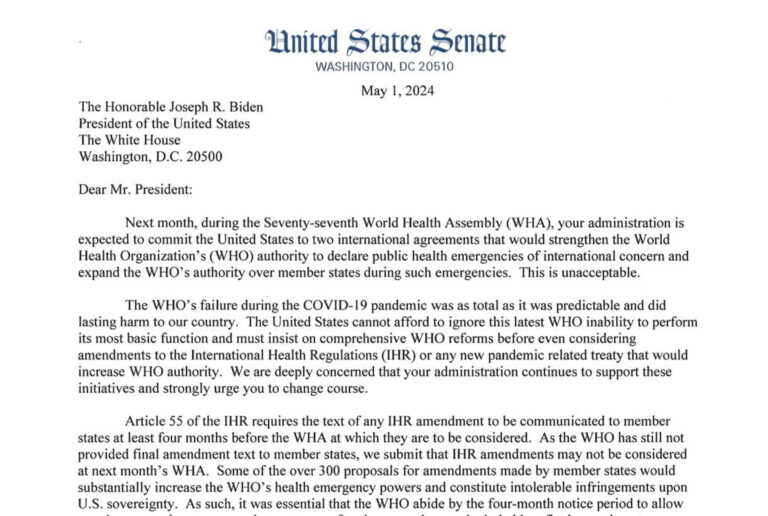
  • WHA 77: Spotlight on Pandemic Treaty and IHR amendments

    Share this article

    Share this article Day 2 of WHA 77 Starting at 14:30 Geneva time, Committee A of the World…

  • Did you know?

    Share this article

    You have to be a pet to drink raw milk in nearly 40 states!

    Dairy products made from raw (unpasteurized) milk have been a bugaboo of governments for 40 years.  FDA officers have shown up at health food stores with guns to stop the sale of raw milk!  These days, it is usually state officials that ban such sales, using the state police and demanding the products be destroyed.  In an unusual recent ruling, a Pennsylvania judge banned intrastate sales of raw milk by an Amish farmer, but admitted he had no authority to ban interstate sales. Most Americans are required to impersonate pets to obtain raw milk, as there are no bans on its sale for pet food in most states.