| | | | |

Letter sent to australian Prime Minister – signed by 14 members of Parliament

The following 3 page letter was sent to the Australian Prime Minister on the 14th. May, 2024. It was signed by 14 members of the Australian Parliament.

“The IHR Amendments and the WHO Pandemic Treaty will transform the WHO from an advisory organisation to a supranational health authority dictating how governments must respond to emergencies which the WHO itself declares.
For the reasons above, that outcome is well outside the jurisdictional competence of the WHO and the WHA, and in any event, is unacceptable to many Australians. We call on the Government to reject the IHR Amendments and the WHO Pandemic Treaty at WHA77

Similar Posts

  • Overcoming Hurdles: Regulatory Barriers to Accessing Raw Milk and Local Meat

    PETE KENNEDY Attorney Pete Kennedy explores the legal challenges surrounding access to raw milk and local meat production…

  • Pandemics as a Catalyst for a New World Order

    Each nation in the world has its own culture, governance structures, traditions, property, borders and peoples. We must preserve the diversity and sovereignty of nations and cultures.
    By globally synchronizing the public health response across the United Nations member states, new powers were granted to the UN…

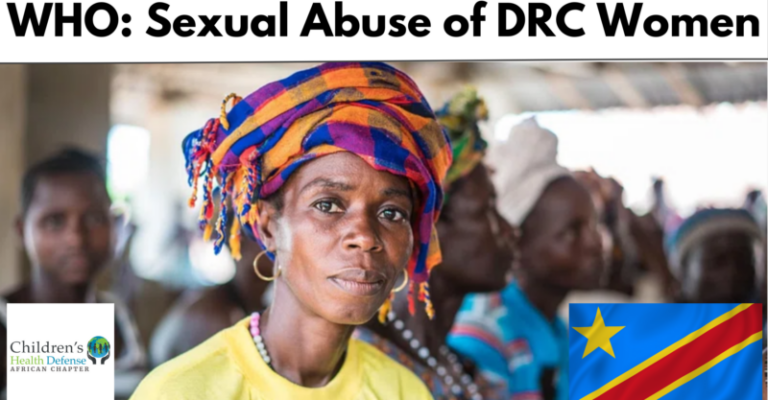
  • WHO workers commit sexual abuse in the DRC – no justice, no reparations

    I attended a World Health Organisation press conference about responding to sexual abuse and exploitation by staff members in countries they are deployed. The conference was against the horrific backdrop of sex-for-work schemes and the exploitation of women during 2018-2020 Ebola outbreak in the Democratic Republic of the Congo…

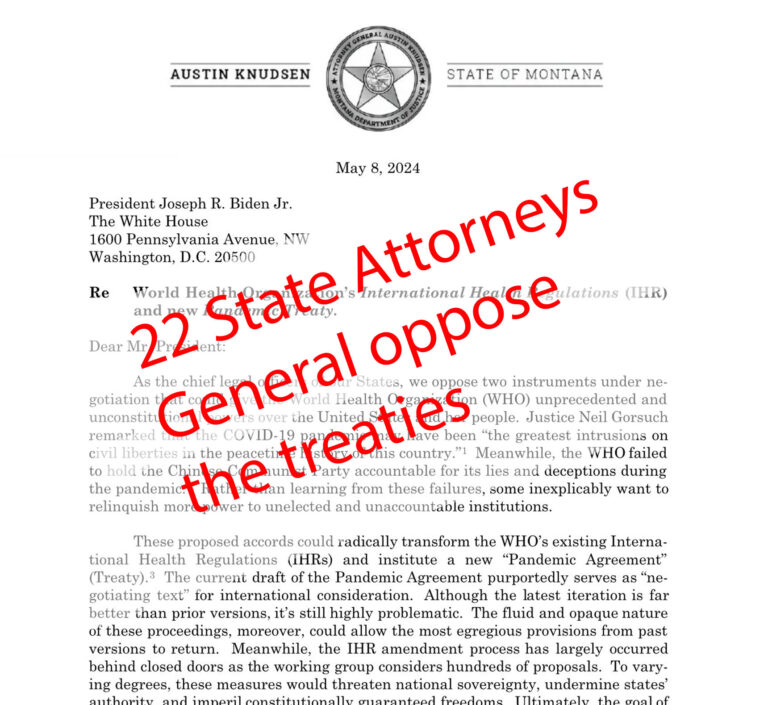
  • 22 State Attorneys General Oppose the WHO Treaties

    Key reasons provided by the 22 AGs:

    First Reason:

    “Under proposed IHR amendments and the Pandemic Treaty, however, the WHO’s Director-General would achieve the power to unilaterally declare a “public health emergency of international concern” (PHEIC) in one or more member nations. Such declarations can include perceived or potential emergencies other than pandemics, including climate change, immigration, gun violence, or even “emergencies” involving plants, animals, or ecosystems.”