
How seeking ‘equal health for all’ can lead us to tyranny
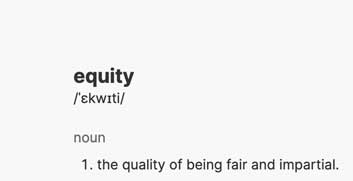
The call for health equity has become a rallying cry for public health – health for all and the ability for all people to reach their full health potential.
In order to achieve this, public health aims to eliminate health disparities – essentially, differences in health outcomes – for disadvantaged people in the population. For example, particular racial or ethnic groups may have higher rates of specific diseases or conditions, shorter life expectancies, or higher mortality rates compared to other groups.
Some groups in the populace may face barriers to accessing the healthcare services they need. For example, they may need more money to pay for medical services, or they may lack health insurance. They may lack transportation that allows them to drive to the doctor. Or they may face racism and discrimination when accessing services.
Public health claims that the origins of health disparities are systemic, having deep roots in social, economic, and environmental factors. Some of these factors include income, education, employment, housing, access to healthy food, exposure to environmental hazards, and social supports.
At first glance, health equity would seem like something that everyone can get behind. But there is a grave concern that arises from the vision of health equity: the justification for public health to expand its power into different facets of society and ultimately expand its control over our lives.
The significant problem with health equity is that there are no checks and balances on the public health mechanism, and public health institutions can and have argued that their increasing control over individuals’ lives is justified by the greater mission they serve.
From this “greater good” rhetoric, government interventions may include medical mandates and restrictions on our lives that interfere with civil liberties. There is the concern that surveillance, coercion, and the loss of privacy are the trade-offs as the government attempts to control our behaviors in the name of health equity.
Moreover, achieving equity may involve a redistribution of societal resources, where the well-off subsidize the healthcare of people with lower incomes. Healthcare resources may be rationed by a central authority, leading to loss of personal choice among healthcare options.
The solution is straightforward: public health institutions need to have appropriate checks and balances that limit their power, and no matter what public health does in the name of health equity, we must preserve our fundamental human rights.