
We have rights that governments cannot (legally) take away
…As long as your country has signed and ratified international conventions. And while our rights have been trampled on, knowing you have them is the first step to regaining them.
Let me cite international law, then US law.
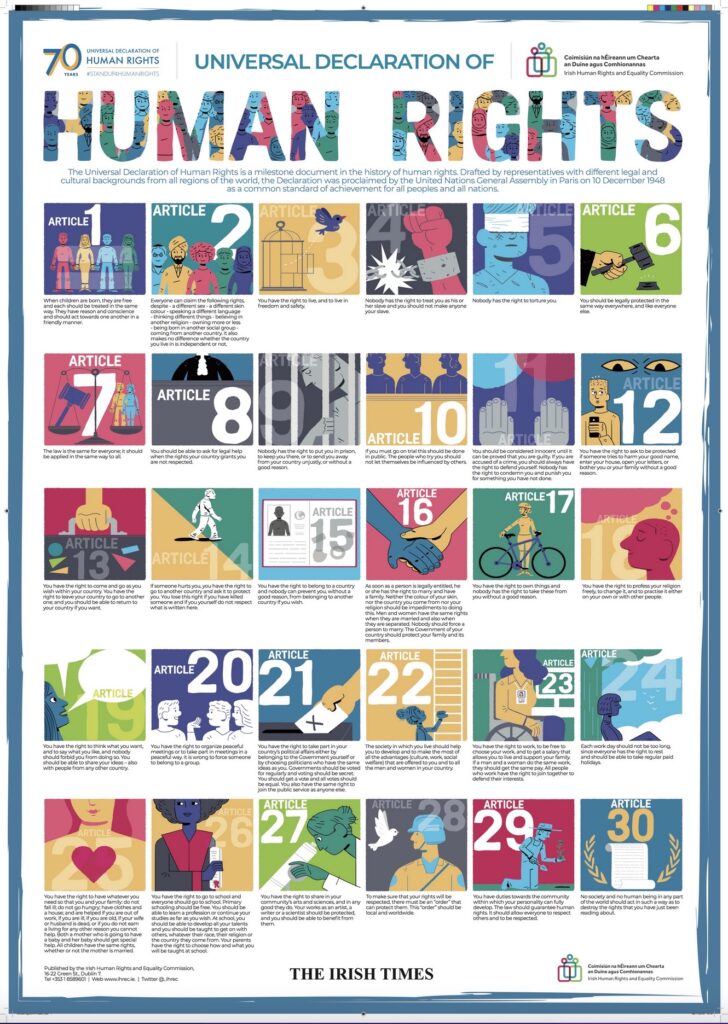
The 1966 International Covenant on Civil and Political Rights has been signed and ratified by 173 countries, including the US. It recognizes that the “inherent dignity and the equal and inalienable rights of all members of the human family [are] the foundation of freedom, justice and peace in the world.” It then specifies the rights of all peoples:
All peoples have the right of self-determination. By virtue of that right they freely determine their political status and freely pursue their economic, social and cultural development.
In no case may a people be deprived of its own means of subsistence.
…any person whose rights or freedoms as herein recognized are violated shall have an effective remedy, notwithstanding that the violation has been committed by persons acting in an official capacity;
Everyone lawfully within the territory of a State shall, within that territory, have the right to liberty of movement and freedom to choose his residence.
No one shall be subjected to arbitrary or unlawful interference with his privacy, family, home or correspondence, nor to unlawful attacks on his honour and reputation.
Everyone shall have the right to freedom of thought, conscience and religion. This right shall include freedom to have or to adopt a religion or belief of his choice, and freedom, either individually or in community with others and in public or private, to manifest his religion or belief in worship, observance, practice and teaching…subject only to such limitations as are prescribed by law and are necessary to protect public safety, order, health…
Everyone shall have the right to hold opinions without interference.
Everyone shall have the right to freedom of expression; this right shall include freedom to seek, receive and impart information and ideas of all kinds, regardless of frontiers, either orally, in writing or in print, in the form of art, or through any other media of his choice.
Every citizen shall have the right and the opportunity… to take part in the conduct of public affairs…
And then, just to make it perfectly clear, under Part II Article 5 is the following:
Nothing in the present Covenant may be interpreted as implying for any State, group or person any right to engage in any activity or perform any act aimed at the destruction of any of the rights and freedoms recognized herein…
From the Declaration of Independence we are reminded that the US government requires our consent:
…all men are created equal, that they are endowed by their Creator with certain unalienable Rights, that among these are Life, Liberty and the pursuit of Happiness.–That to secure these rights, Governments are instituted among Men, deriving their just powers from the consent of the governed…
The Constitution‘s Bill of Rights gives us plenty that governments are taking away. To conserve on space, I will simply refer you to the 1st, 4th and 14th amendments.
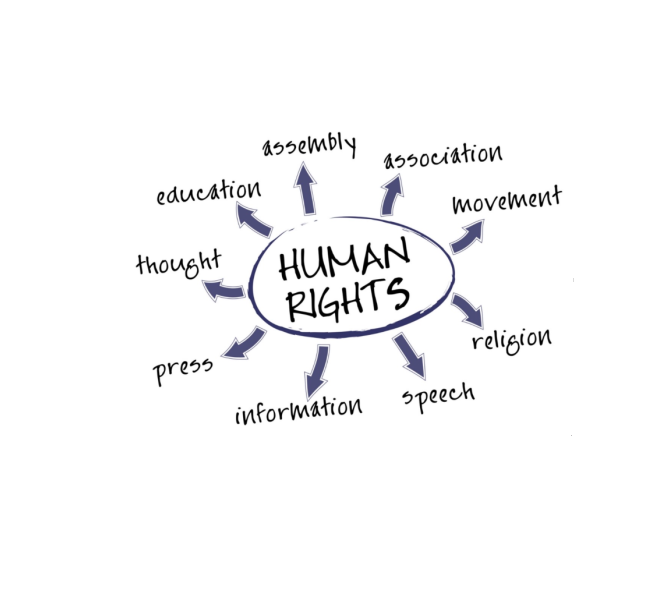
The First Amendment guarantees freedom of speech, press, assembly and religion. The Fourth Amendment guarantees us privacy: no search (think of your electronics) without cause, without obtaining a warrant, and without specifying what the search is seeking and how far it will go. And the Fourteenth Amendment says that the states cannot take away your rights granted by the Constitution.
The law is on our side. We will get these rights back.