Share this article

Not yet official, but these appear to be real working drafts of the IHR amendments and the Pandemic Treaty.

Dated March 7th, 2024, Knowledge Ecology International has posted a draft of the Pandemic Treaty:

Dated February 9th, 2024, Geneva Graduate Institute has posted a working draft of the IHR amendments. (h/t James Roguski for sharing)


View prior Pandemic Treaty Drafts

View prior IHR amendment drafts

Similar Posts

  • Nebraska Weighs in on Cattle Emission Conversation

    Share this article

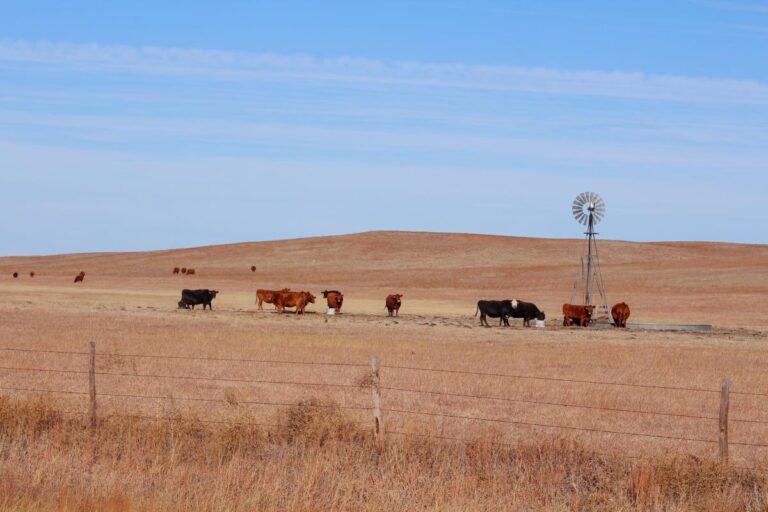
    The environmental impacts of cattle emissions have been a contentious conversation in recent years. Some climate conscious consumers are concerned with cattle  emission’s potential and impact. Researchers at the University of Nebraska–Lincoln are discovering results that may improve and optimize our management practices and ease those concerns. 

  • How Farmers Become Serfs

    Share this article

    The state of farming in modern-day America is far removed from the way it was just decades ago. In this “Good Morning CHD” episode, Breeauna Sagdal and Meryl Nass, M.D. have a timely conversation on various factors that determine the success of agriculture, today. They discuss loans and pricing, inspection and approval processes, industry monopolization, volatility in the supply chain, food shortages and more. Tune in!

  • Bret Weinstein discusses the WHO Risks

    Share this article

    Bret Weinstein is an evolutionary biologist, bestselling author and co-host of the Darkhorse podcast with his wife, co-author and evolutionary biologist, Heather Heying.

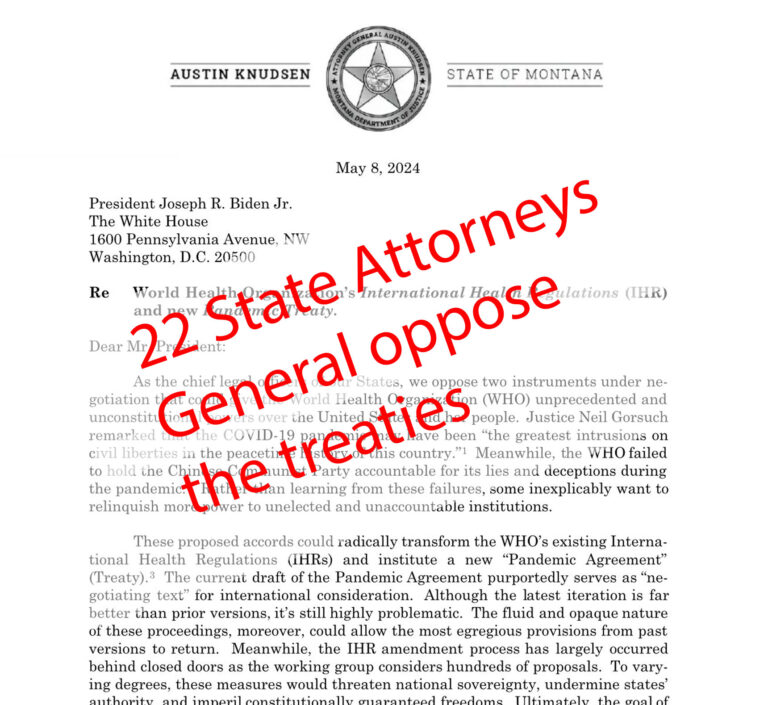
  • 22 State Attorneys General Oppose the WHO Treaties

    Share this article

    Key reasons provided by the 22 AGs:

    First Reason:

    “Under proposed IHR amendments and the Pandemic Treaty, however, the WHO’s Director-General would achieve the power to unilaterally declare a “public health emergency of international concern” (PHEIC) in one or more member nations. Such declarations can include perceived or potential emergencies other than pandemics, including climate change, immigration, gun violence, or even “emergencies” involving plants, animals, or ecosystems.”